
The Short Answer
The Southeast is home to many nationally recognized interior design firms, from Atlanta and Charlotte to Charleston and Asheville. But the best luxury interior designer for your project is not necessarily the firm with the largest social media following or the most recognizable style. It is the firm whose expertise, process, communication style, project management, and design philosophy align with the way you want to live.
For a custom home or major renovation, we recommend looking beyond portfolio images. Ask whether the firm understands construction, produces detailed drawings, coordinates cabinetry and material selections, manages decisions, communicates effectively with the construction team, and can translate your personal taste into a home that is both beautiful and functional.
At ID.ology Interiors & Design, our philosophy is Design Well for Your Wellbeing. We believe luxury is about more than expense or visual impact. True luxury is having a home designed around your lifestyle, health, comfort, and long-term needs.
Luxury Interior Design Firms in the Southeast to Know
The Southeast has an established design community, with firms offering different aesthetics, specialties, and approaches to luxury residential design.The following firms are not presented in ranked order. Each brings a distinct perspective to interior design, making them useful starting points when comparing potential design partners.
ID.ology Interiors & Design | Asheville, North Carolina
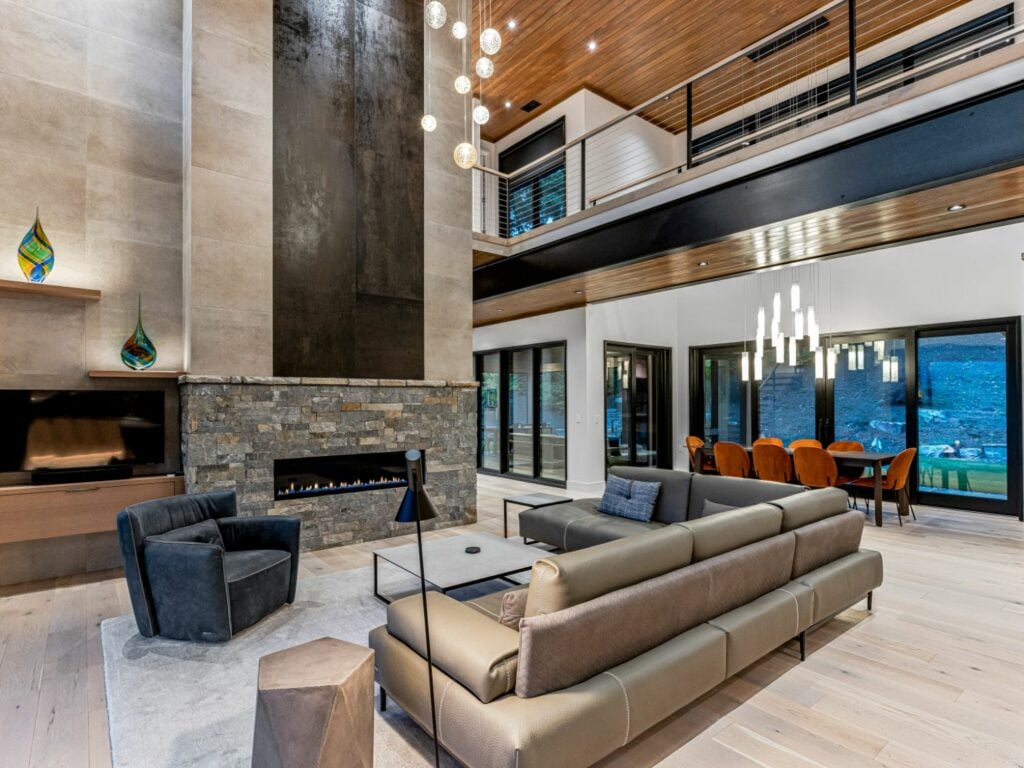
ID.ology is an award-winning, full-service interior design and cabinetry firm based in Asheville, North Carolina, with projects throughout the Southeast and nationwide.
Our services bring together interior design, space planning, interior architectural drawings, custom cabinetry, 3D renderings, material selections, furnishings, and project coordination.
A defining part of our approach is the integration of design aesthetics, construction knowledge, and healthy-home principles. We consider indoor air quality, healthier materials, biophilic design, accessibility, and aging-in-place needs alongside architecture and interior design.
ID.ology’s work has received Best in American Living Awards and has been featured in House Beautiful’s Whole Home, including the 2024 Asheville project.
For homeowners planning custom homes or significant renovations, our focus is on creating spaces that are thoughtfully designed, technically coordinated, and suited to the way they live.
Melanie Turner Interiors | Atlanta, Georgia
Melanie Turner Interiors is known for sophisticated, layered interiors that balance elegance with everyday livability.
The Atlanta-based studio specializes in whole-home transformations and has received extensive industry recognition, including multiple Southeastern Residential Designer of the Year honors and numerous ASID awards.
The firm’s work is particularly appealing to homeowners drawn to refined interiors with a strong architectural presence, carefully selected furnishings, and an expressive yet polished aesthetic.
Beth Webb Interiors | Atlanta, Georgia
Beth Webb Interiors is recognized for serene, highly textured spaces that take an organic approach to luxury.
Natural materials, subtle contrasts, and carefully considered proportions are recurring features of the firm’s work. Rather than relying on bold decorative statements, Beth Webb’s interiors often emphasize quiet refinement and the sensory experience of a space.
The firm’s approach may appeal to homeowners who prefer understated elegance, natural textures, and interiors that feel calm without appearing sparse.
Barrie Benson Studio | Charlotte, North Carolina
Charlotte-based Barrie Benson Studio is known for interiors that bring together color, pattern, antiques, modern furnishings, and art.
The firm’s projects often have a collected quality, with unexpected combinations that feel personal rather than overly coordinated.
For homeowners who appreciate expressive design, distinctive furniture, and interiors that reflect individual taste, Barrie Benson Studio offers a different interpretation of luxury.
Cortney Bishop Design | Charleston, South Carolina
Cortney Bishop Design is a full-service interior design studio based in Charleston, South Carolina.
Working across residential and commercial projects, the firm is known for its creative use of color, materials, furnishings, and architectural details.
Its interiors often balance modern design with comfort and personality, resulting in spaces that feel individual rather than tied to a single decorative formula.
What Actually Makes an Interior Designer Luxury?
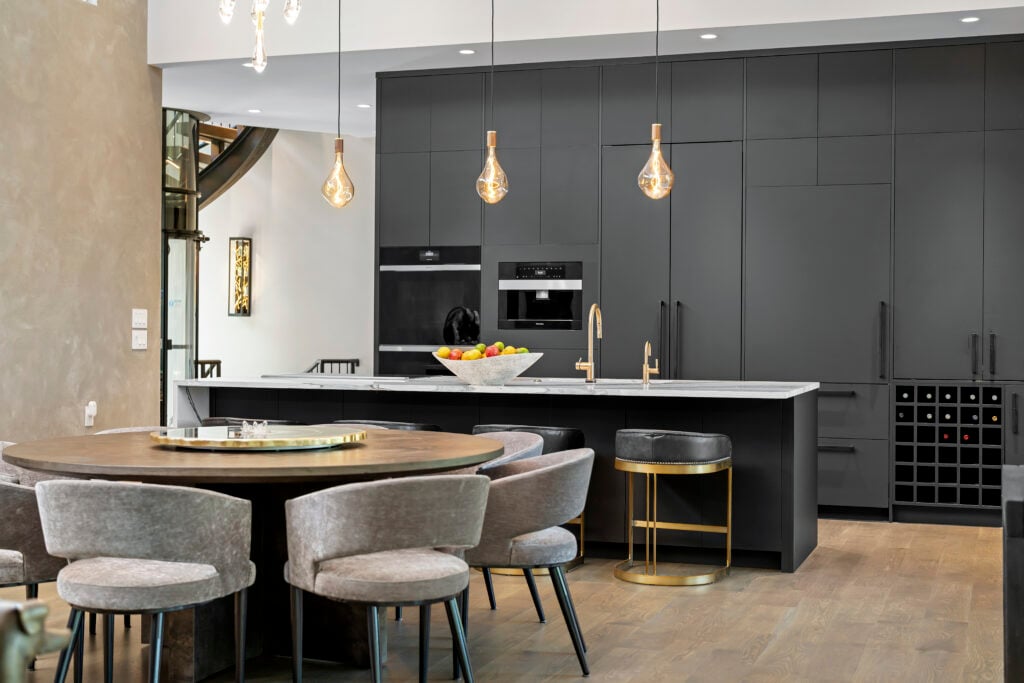
Luxury interior design is sometimes associated with expensive furniture, exclusive materials, and high-end finishes. Those elements may be part of the experience, but they do not define the full value of a luxury design firm.
The level of service, technical knowledge, attention to detail, and ability to manage a complex project matter just as much.
Depending on the firm’s scope of services, a luxury interior design experience may include:
-
Comprehensive space planning
-
Interior architectural detailing
-
Custom cabinetry and millwork
-
Lighting design and coordination
-
Detailed finish and fixture specifications
-
3D renderings and design visualization
-
Custom furniture and upholstery
-
Art and accessory selection
-
Procurement, receiving, and delivery coordination
-
Collaboration with architects, builders, and trades
-
Budget management and decision tracking
-
Furniture installation and final styling
-
Ongoing project management
The real value comes from how these services work together.
A custom home or major renovation involves hundreds of decisions. Changing a cabinetry layout may affect electrical locations, lighting, appliances, flooring, and surrounding architectural details.
When those decisions are made independently, inconsistencies can emerge during construction.
An experienced luxury interior designer understands these relationships and develops the design accordingly.
The result should be a home where the architecture, materials, cabinetry, furnishings, and everyday functionality feel connected.
How Do I Choose Between Luxury Design Firms?
Start with the portfolio, but do not stop there.
A portfolio helps you understand a designer’s aesthetic preferences and the types of projects they have completed. It can also reveal how comfortably a firm works across different styles.
If every project looks almost identical, ask yourself whether you specifically want that designer’s signature aesthetic or a home that reflects your own preferences.
Some homeowners intentionally hire a designer for a recognizable look. Others prefer a firm that can interpret a range of styles.
Neither approach is necessarily better. What matters is whether the designer’s work aligns with your expectations.
Once you have identified firms whose portfolios appeal to you, take a closer look at their processes.
Consider asking:
-
How are design concepts and selections presented?
-
Who develops the technical drawings?
-
How does the firm communicate with architects and builders?
-
Does the team design and coordinate cabinetry?
-
How are project budgets and allowances tracked?
-
What happens when a material or product selection changes?
-
Does the firm provide renderings before construction?
-
Who manages procurement, deliveries, and installation?
-
How many team members will work on the project?
-
What geographic areas does the firm serve?
These conversations can reveal more about your potential experience than a collection of finished photographs.
A beautiful portfolio demonstrates design ability. A clearly explained process helps you understand how the firm intends to deliver that design.
Should I Hire a Local Designer or a National Firm?
Both local and national interior design firms can be excellent choices for luxury homes.
A local or regional designer may already have established relationships with builders, fabricators, craftsmen, showrooms, and trades.
They may also have experience with the area’s climate, architectural styles, permitting considerations, construction conditions, and materials.
A national firm may bring relationships with manufacturers and specialist vendors across multiple markets, along with experience working on different types of properties.
Many established Southeast interior design firms regularly take on projects outside their home cities.
For that reason, geography should not be the only deciding factor.
What matters is whether the firm has a reliable system for communicating with the construction team, reviewing work, managing selections, and coordinating the project when the designer is not physically present.
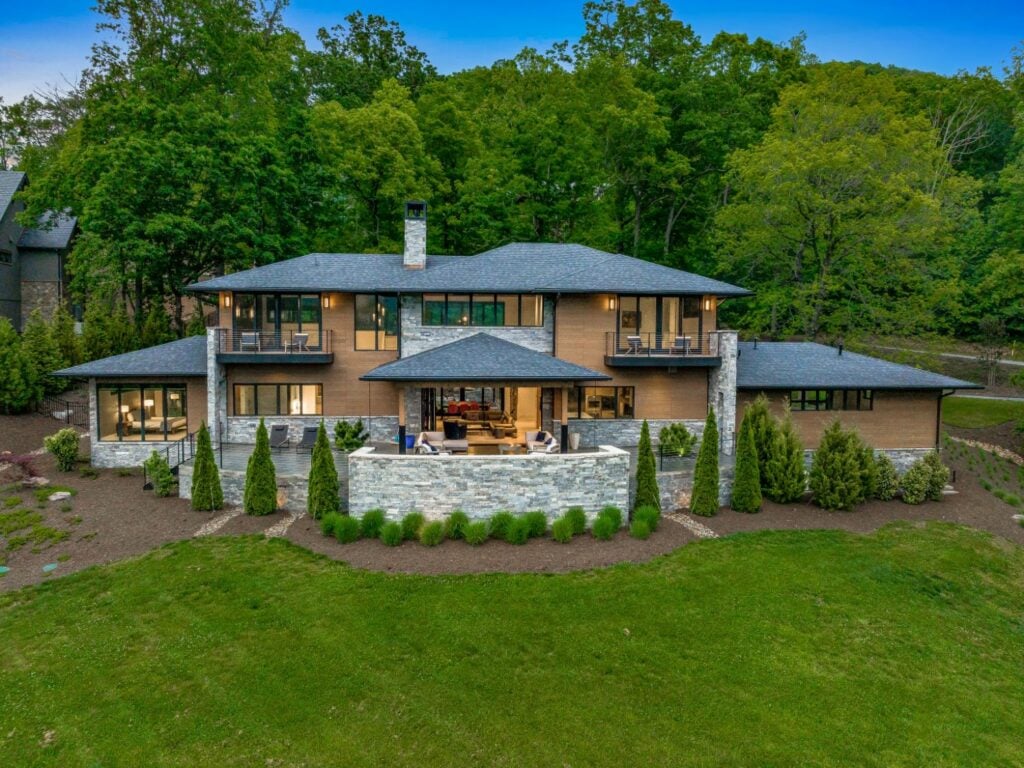
For homeowners designing second homes in Western North Carolina, regional experience can be particularly helpful.
Mountain homes may involve site-specific considerations, natural-light conditions, changing elevations, indoor-outdoor relationships, and unique construction requirements.
A designer who understands these conditions can incorporate them into the project from the beginning rather than responding to them after decisions have already been made.
Why Wellness Is Becoming Part of Luxury Design
For many homeowners, the definition of luxury is changing.
Beautiful interiors remain important, but homeowners are also paying closer attention to the quality of the environment they live in.
A home can feature exceptional finishes and furnishings while still having materials that contribute to indoor air quality concerns, layouts that are difficult to maintain, or spaces that become less comfortable as their needs change.
At ID.ology, we increasingly see interest in design considerations such as:
-
Indoor air quality and material emissions
-
Natural light and ventilation
-
Biophilic design and connections to nature
-
Ergonomics and everyday comfort
-
Healthier furniture and upholstery materials
-
Accessibility and aging-in-place planning
-
Durable materials and long-term maintenance
These considerations do not have to compete with luxury design.
When addressed during the planning process, they can become part of the architecture and interior design without drawing attention to themselves.
A carefully planned lighting scheme, accessible circulation, thoughtfully placed storage, or healthier cabinetry material may not immediately stand out in a photograph.
Yet these decisions can have a meaningful effect on the experience of living in the home.
That thinking is central to our Design Well for Your Wellbeing philosophy.
What Luxury Means at ID.ology: Better Living, Not Just More Expensive Finishes
One of the clearest examples of our approach is the Brush Creek English Modern project.
In the primary suite, we incorporated an Ambry Bath concept that brings the primary bathroom and an enclosed closet system together within one visually connected environment.
Rather than entering a separate closet filled with exposed clothing, the wardrobe is contained within cabinetry.
The result is a space that feels calm, organized, and architectural.
What makes this approach luxurious is not simply the cabinetry or the finishes. It is the way the design changes the everyday experience of using the room.
We considered how the spaces connect, how the homeowners move between them, how clothing is stored, and how the overall environment feels.
The design addresses function and visual comfort together.
For us, that is a more meaningful expression of luxury than selecting a more expensive material without reconsidering how the space works.
Luxury Interior Design Goes Beyond Making Selections
Material and finish selections are an important part of interior design.
Many firms provide excellent services helping clients choose tile, plumbing fixtures, lighting, cabinetry finishes, flooring, and furnishings.
At ID.ology, our process also explores what can be created with those materials and how original design details can become part of the home’s architecture.
The powder room in our Stoneridge Haven project illustrates that difference.
Rather than approaching the space as a collection of finishes, we considered the experience of entering and using the room.
A hidden door is integrated into fluted wood paneling, creating a subtle architectural feature and an element of discovery.
Inside, a custom concrete apron sink with a chiseled front is paired with a wall-mounted waterfall faucet.
These details were not simply selected from a product catalog.
They required design development, technical detailing, material coordination, fabrication, and careful execution.
The finished result reflects a series of intentional decisions that work together.
This is where luxury interior design extends beyond choosing beautiful products.
It becomes the process of developing original architectural and interior details specifically for the client and the home.
Luxury Requires Technical Precision in the Field
Another detail from Stoneridge Haven demonstrates why technical knowledge is so important in luxury interior design.
At the steps leading from the room to the foyer, we incorporated integrated LED strip lighting.
The finished effect is subtle. The lighting sits within the architecture rather than appearing as an additional decorative element.
Achieving that result, however, required careful technical planning.
The lighting detail needed to be designed and documented so the electrician, project manager, tile installer, framer, and other trades understood exactly how it should integrate with the step construction.
The installation also required coordination in the field to make sure the finished work reflected the original design intent.
This is something photographs rarely communicate.
A sophisticated design concept can appear simple when completed, even though it requires considerable knowledge and coordination behind the scenes.
Without accurate drawings, clear specifications, and communication between trades, small details can become difficult to execute correctly.
For complex custom homes and major renovations, a designer’s ability to develop and communicate those details is just as important as the original creative concept.
Healthy Materials Are Part of Our Definition of Luxury
At ID.ology, we consider what materials are made of alongside how they look and perform.
That includes reviewing the products used throughout a home, including components that may not be visible once construction is finished.
For example, we consider:
-
Stains, glues, and adhesives used in wood flooring
-
Plywood and composite materials used in cabinetry and closets
-
Paints, sealants, and other surface finishes
-
Dyes and treatments used in upholstery fabrics
-
Synthetic fibers and furniture components
-
Petroleum-based foams and alternatives such as natural latex
-
Furniture construction methods and material quality
These choices can affect durability, maintenance, indoor air quality, and the long-term experience of living in a home.
Furniture is a good example.
A piece constructed from solid wood may cost more than one made primarily from particleboard or lower-grade composite materials.
Depending on the product and construction method, solid wood can offer advantages in durability, repairability, and material composition.
However, material selection should still be evaluated carefully. The presence of natural materials alone does not guarantee that a product is healthier, just as a higher price does not automatically indicate better quality.
We consider the complete construction, including adhesives, coatings, upholstery components, and finishes.
Healthier material options may sometimes cost more, particularly when they involve specialized manufacturing or higher-quality components.
For our clients, these decisions are part of understanding what they are investing in.
Luxury should account for the quality of the materials surrounding you every day, not simply their appearance.
The Question We Wish More Luxury Clients Would Ask
When interviewing a luxury interior design firm, one of the most revealing questions is:
“How do you take a design from concept all the way through construction and installation, and how involved are you in making sure the final result is executed as designed?”
The answer should go beyond material selections.
An experienced firm should be able to explain how it handles space planning, technical drawings, cabinetry and millwork details, lighting and electrical coordination, plumbing and fixture locations, material specifications, and communication with the construction team.
It should also explain how problems are addressed when unexpected conditions arise.
On a major renovation, for example, an existing wall may conceal structural elements or mechanical systems that affect the proposed design.
A designer with practical construction experience should understand how to collaborate with the appropriate professionals to adapt the design while preserving its overall intent.
We would also encourage homeowners to ask another question:
“How do you incorporate health and wellness into your design decisions?”
A meaningful answer should explain how the firm evaluates materials, adhesives, finishes, cabinetry construction, furnishings, lighting, ergonomics, accessibility, and indoor environmental quality.
It should also demonstrate how those considerations influence the actual design process rather than appearing as optional features added near the end.
A portfolio can show whether you like a designer’s style.
Their answers to these questions can reveal whether they have the technical knowledge, management systems, and practical experience to deliver the home you are imagining.
Questions to Ask a Luxury Interior Designer Before Hiring
Before committing to a design firm, take time to understand what the proposed services include and how the team will support your project.
Useful questions include:
-
Do you have experience with projects of this scale? Ask to see examples involving similar construction complexity, budgets, or architectural requirements.
-
Will you work directly with my architect and builder? Understand how the design team communicates with other professionals and resolves conflicts.
-
What drawings and specifications do you provide? Clarify whether the scope includes plans, elevations, cabinetry details, lighting layouts, and material specifications.
-
How do you handle cabinetry and built-ins? Ask whether the firm develops original designs and how fabrication and installation are coordinated.
-
Can you help establish realistic allowances and budgets? Understand how material selections and design decisions are evaluated against the project budget.
-
How are selections and approvals managed? Ask how decisions are documented and how changes are communicated.
-
Do you provide 3D renderings? Find out whether you will have opportunities to review and refine the design before construction.
-
How do you address healthy materials and indoor environmental quality? Ask for specific examples of materials, finishes, and construction considerations.
-
Can you design for aging in place without compromising aesthetics? Discuss how accessibility and long-term usability are incorporated into the design.
-
How do you handle procurement, receiving, storage, and installation? Understand which responsibilities the firm manages and which remain with other vendors.
-
Who will be my primary point of contact? Make sure you understand who is responsible for daily communication, approvals, and project updates.
The goal is not simply to find a firm that offers the longest list of services.
It is to understand whether its capabilities, responsibilities, and working methods are appropriate for the project you are planning.
The Bottom Line
The Southeast has an established community of luxury interior designers, with nationally recognized firms in Asheville, Atlanta, Charlotte, Charleston, and beyond.
Each brings its own design philosophy, aesthetic perspective, and approach to working with clients.
Rather than searching for a universal best luxury interior designer, focus on finding the firm whose experience, capabilities, communication style, and values align with your project.
At ID.ology Interiors & Design, we believe a luxury home should offer more than visual beauty.
It should support everyday comfort, incorporate thoughtful material choices, function naturally, and reflect the people who live there.
The most successful details are often the ones you barely notice because they work exactly as intended.
That is what we mean by Design Well for Your Wellbeing.